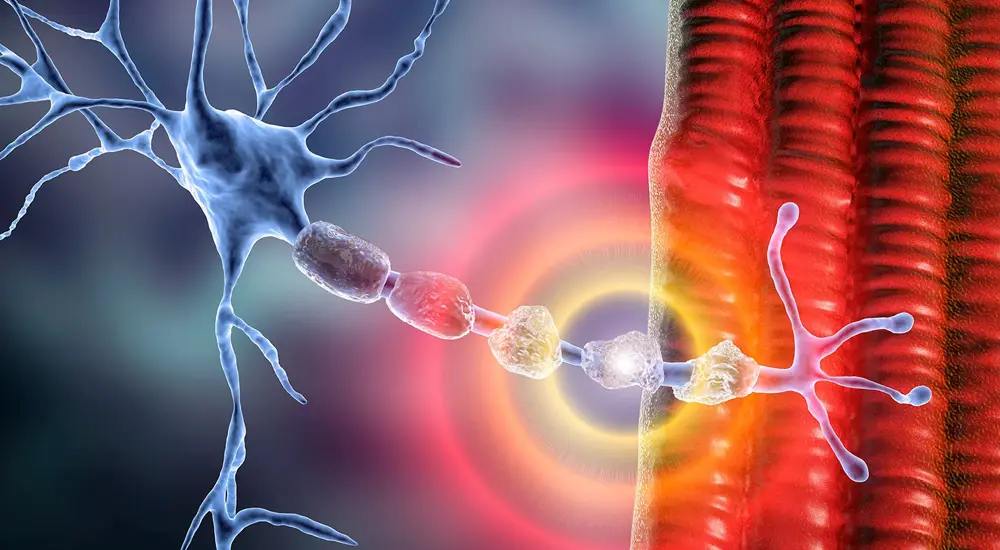
Multiple Sclerosis (MS)
Multiple Sclerosis (MS) is a long-term disease in which the body’s immune system attacks the protective covering of nerves (called myelin) in the brain and spinal cord.Because of this damage, messages between the brain and the body do not travel properly. This can cause problems like weakness, numbness, vision issues, tiredness, poor balance, and difficulty in movement.MS affects each person differently—some people have mild symptoms, while others may have more severe difficulties over time.
MULTIPLE SCLEROSIS
↓(ATTACKS)
MYELIN [PROTECTIVE COVER AROUND CENTRAL NERVOUS SYSTEM (BRAIN/ SPINAL CORD)]
↓(EFFECTS)
DISRUPTING NERVE SYSTEM
↓(CAUSES)
BALANCE ISSUES, VISION PROBLEMS, SENSATION, WEAKNESS, FATIQUE, CONGINITIVE DIFFICULTIES
↓(TREATMENT)
DISEASE- MODIFYING THERAPIES(DMTs)

TYPES OF MULTIPLE SCLEROSIS
There are four types of multiple sclerosis-
- Clinically isolated syndrome (CIS):This is the first time a person experiences symptoms that look like MS.It happens due to inflammation and damage to the nerve covering (myelin).At this stage, it is not yet confirmed as MS, but CIS can later develop into MS.
- Relapsing-Remitting MS (RRMS): This is the most common type of MS.People have sudden attacks (relapses) where symptoms get worse or new symptoms appear.After that, they have recovery periods (remissions) where symptoms improve or go away.Some symptoms may still remain.
- Secondary Progressive MS (SPMS):This type usually comes after RRMS.Here, the disease slowly gets worse over time.There are fewer clear recovery phases, and disability gradually increases as nerve damage continues.
- Progressive-Relapsing MS (PRMS):This is the rarest type of MS.From the beginning, symptoms steadily worsen.Along with this, there are sudden attacks (relapses) that make symptoms worse.So, there is both continuous worsening and sudden flare-ups, making it more challenging.
Symptoms
Common MS Symptoms
- Sensory: Numbness, tingling, burning sensations, "pins and needles," electric-shock sensations (Lhermitte's sign).
- Vision: Blurred or double vision, pain with eye movement, temporary vision loss (optic neuritis).
- Motor: Muscle weakness, stiffness, spasms, tremors, balance problems, difficulty walking, fatigue.
- Cognitive: Memory lapses, difficulty concentrating, "cog fog," trouble with problem-solving.
- Emotional: Depression, anxiety, mood swings.
- Bladder & bowel: Urgency, frequency, incontinence, constipation.
- Others: Dizziness, vertigo, speech issues, sexual dysfunction, swallowing problems (dysphagia).
Complications of multiple sclerosis
The complications of multiple sclerosis include:
- epilepsy
- paralysis especially in the legs
- forgetfulness
- sexual dysfunction
Key Characteristics -
- Variable: Symptoms differ greatly between individuals and can change over time.
- Fluctuating: They can come and go (relapses/remissions) or worsen with heat or infections.
Causes and risk factors
Multiple Sclerosis (MS) isn't caused by one thing, but a mix of immune system malfunction, genetics, and environmental triggers like low Vitamin D, smoking, childhood obesity, and certain viral infections (Epstein-Barr Virus), with women, people of Northern European descent, and those living farther from the equator facing higher risks, though it usually develops between ages 20-40.
Key Causes & Triggers -
- Autoimmune Attack: The immune system mistakenly attacks myelin, the protective sheath around nerve fibers, disrupting nerve signals.
- Genetics: A family history increases risk, suggesting a genetic predisposition, but it's not directly inherited.
- Infections: Viruses like Epstein-Barr (EBV) are strongly linked to increased risk.
- Environments Factors:
- Latitude: Higher rates in regions farther from the equator.
- Vitamin D: Low levels from less sunlight exposure are a risk factor.
- Obesity: Especially during childhood, increases risk.
- Smoking: Raises the risk of developing MS and flare-ups.
Diagnosis
There is no single test that can confirm Multiple Sclerosis (MS). Doctors diagnose MS by putting together many pieces of information like your symptoms, examination, and test results. They also make sure that your symptoms are not caused by some other disease. This process is called differential diagnosis.
To diagnose MS, doctors may use:
1. Medical History & Neurological Exam
- The doctor will ask about your symptoms such as:
- Vision problems
- Numbness or tingling
- Fatigue
- Balance or walking issues
- They will also check your reflexes, strength, coordination, and sensation.
2. MRI (Magnetic Resonance Imaging)
- An MRI scan shows pictures of your brain and spinal cord.
- In MS, small damaged areas called lesions appear.
3. Lumbar Puncture (Spinal Tap)
A small amount of fluid is taken from around the spine.This fluid can show immune system changes linked to MS and helps rule out infections or other diseases.
4. Optical Coherence Tomography (OCT)
This test takes images of the eye.MS can affect the optic nerve and retina. OCT measures the thickness of the retina and can show nerve damage.
5. Blood Tests
Blood tests do not diagnose MS directly, but they help rule out other diseases that look like MS.
Common tests include:
- Complete Blood Count (CBC)
- Thyroid tests (TSH, T3, T4)
- Vitamin B12 & Vitamin D
- ANA (for autoimmune diseases)
- ESR / CRP (inflammation)
- Liver & Kidney function tests
- Tests for lupus and other autoimmune disorders
6. Neuropsychological Testing
This checks how well your brain is working, it looks at:
- Memory
- Thinking and attention
- Language
- Mood and behaviour
NOTE-In most people with relapsing-remitting MS, the diagnosis is straightforward. Diagnosis is based on a pattern of symptoms related to MS and confirmed by test results. Diagnosing MS can be harder in people with unusual symptoms or progressive disease. Additional testing may be needed.
Treatment
Several dietary factors have emerged in studies on the risk of developing MS or on its progression after diagnosis.MS treatment focuses on physical therapy and lifestyle changesand all managed by a neurologist for an individualizedplan.
Diet influences the risk of developing MS in several ways. A study of more than 2,000 individuals demonstrated a strong and significant association of better physical and mental quality of life with a healthier diet.
Diet is important in multiple sclerosis. Lifestyle factors such as healthy eating and exercise, as well as smoking, impact the risk of getting MS and can affect how the disease progresses.A healthy diet may have a positive effect on your MS for several reasons.
Popular Dietary Approaches for MS
A low-carb, keto-focused diet for MS, especially a healthy fat, leafy vegetable–based and antioxidant-rich diet, seems to be beneficial in MS patients.There is currently no single specific diet for MS, but certain key nutritional themes can be supportive in managing symptoms.
Key Nutritional Themes in MS:
- Focus on Anti-Inflammatory Foods
Include: fruits, vegetables, nuts, seeds, reduce inflammatory foods like refined carbs, processed foods, fried foods, gluten-rich foods, and excess sugar
Use: avocado, coconut, nuts, seeds, olive oil
- Well with ketogenic diet principles
- Vitamin D & K2
- Vitamin D is crucial
- Ensure adequate intake through sunlight or supplements
- Acts as an immunomodulator
- Gut Health
- Add probiotics: kefir, kimchi, kombucha, kanji
- Fiber helps promote good digestion and maintain gut health
- A healthy gut reduces inflammation
- Plenty of Fluids
- Water is crucial for overall function
It Helps
Following these dietary instructions helps to:
- Reduces Inflammation: Whole foods and healthy fats help calm chronic inflammation associated with MS.
- Supports Nerve Health: Nutrients like B vitamins and healthy fats aid myelin repair.
- Boosts Energy & Mood: Good nutrition can improve fatigue and emotional health.
- Support Digestion: High fiber helps with common bowel issues in MS.
- Manage symptoms:
- Fatigue
- Muscle Spasms/Stiffness
- Walking Difficulties
- Pain
- Bladder/Bowel Issues
- Cognitive Issues.
Diet and Nutrition
Diet and Multiple Sclerosis
Diet has a strong relationship to body weight and cardiovascular (heart and blood vessels) risk factors, such as high blood pressure, high cholesterol and diabetes. Cardiovascular risk factors:
- Are associated with higher levels of MS activity and related disability.
- Can lead to other health issues (or comorbid conditions), such as heart disease and stroke.
Dietary metabolites (such as vitamins, fatty acids and amino acids that form proteins) have direct effects on the immune system and the brain.
Foods to Eat
For Multiple Sclerosis (MS), focus on anti-inflammatory foods like fatty fish (salmon, mackerel), colourful fruits & vegetables (berries, leafy greens), whole grains, nuts, seeds, and healthy oils (olive, avocado) for omega-3s and antioxidants, while including lean proteins, probiotics (yogurt, kefir), and Vitamin D sources (eggs, fortified foods) to combat inflammation, support gut health, and bone strength.
- Fatty Fish: Salmon, mackerel, sardines, tuna, packed with omega-3s for reducing inflammation.
- Fruits & Vegetables: Berries, leafy greens (spinach, kale), broccoli, etc., for antioxidants, fiber, vitamins.
- Whole Grains: Oats, brown rice, quinoa, whole wheat for sustained energy and fiber.
- Healthy Fats: Avocado, nuts (walnuts, almonds), seeds (flax, chia), and olive oil for anti-inflammatory benefits.
- Lean Proteins: Chicken, turkey, beans, lentils, tofu.
- Probiotic-Rich Foods: Yogurt, kefir, kimchi, sauerkraut to support gut health.
- Vitamin D Sources: Fatty fish, eggs, fortified cereals, fortified orange juice, and sunlight.
- Hydrating Foods: Plenty of water, herbal teas,
Key Nutrients & Benefits
- Omega-3s: Reduce inflammation, support brain health (from fish, walnuts, flaxseed).
- Antioxidants: Fight oxidative stress (from colorful produce).
- Fiber: Promotes good digestion, prevents constipation (from whole grains, fruits, veggies).
- Vitamin D: Important for bone health and potentially curbing inflammation.
Foods to Limit or Avoid
These foods are often pro-inflammatory, linked to weight gain, high cholesterol, and can worsen MS symptoms like fatigue, bladder issues, and cognitive fog, impacting overall quality of life.
Found in red meat, full-fat dairy (butter, cheese, whole milk), fried foods, pastries, margarine, and processed snacks (chips, cookies).
- Added Sugars & Refined Carbs:
Soda, sugary drinks, white bread, pasta, sweets, and many processed foods can increase inflammation.
Burgers, sausages, frozen meals, chips, and anything deep-fried.
Some sources suggest avoiding cow's milk and dairy due to potential links with inflammation and dairy protein.
People with MS have a higher risk of celiac disease; gluten (wheat, barley, rye) can be a trigger.
Can worsen balance, coordination, and bladder control; limit intake significantly or avoid.
Can exacerbate bladder problems and insomnia; limit intake (around 2 cups coffee/day).
Preclinical studies link high salt intake to increased inflammation.
NOTE: Dietary needs vary; always consult your healthcare provider or a registered dietitian before making major changes to manage MS effectively.
REFERENCE
- CLEVELAND CLINIC,
- GENENTECH,
- NATIONAL MULTIPLE SCLEROSIS,
- MAYO CLINIC,
- NATIONAL INSTITUTE OF HEALTH